
Ayad Barsoum, Ph.D.
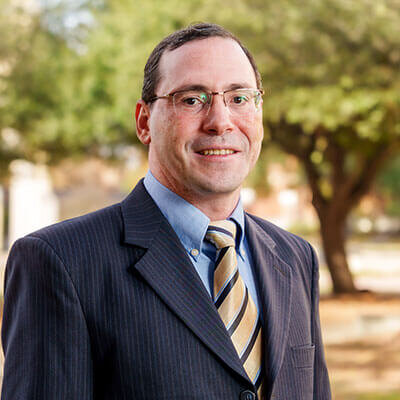
Ayad Barsoum is a Professor of Computer Science at St. Mary’s University, where he serves as Graduate Programs Director and Director of the NSA-designated Center for Cyber Excellence. Barsoum is a cybersecurity scholar and academic leader dedicated to protecting digital systems in an increasingly connected world. He works at the intersection of research, education and workforce development to strengthen cybersecurity resilience at both institutional and national levels.
Barsoum’s research focuses on securing cloud computing systems. His work addresses critical questions such as: How can we verify that cloud-stored data has not been altered? How can organizations trust remote storage providers? How can machine learning help detect cyberattacks more effectively? Through his research in data integrity, cryptographic protocols, intrusion detection and secure network systems, he develops solutions that enhance trust in digital infrastructure.
He is the author of Data Integrity in Cloud Computing Systems: Challenges and Solutions, a scholarly book that explores how modern cloud systems can be designed to ensure reliability, accountability and security. His research has appeared in leading international journals and conferences. In addition to theoretical advancements, Barsoum’s recent research integrates artificial intelligence and machine learning techniques to improve threat detection and analyze malicious activity, helping organizations respond more effectively to evolving cyber risks.
His contributions have been recognized with the Distinguished Faculty Award for the School of Science, Engineering and Technology (2022–2023) and the Top CAE-CD Peer Reviewer Award (2025), reflecting both his research excellence and national service in strengthening cybersecurity education standards.
Ying “Caroline” Chen, Ph.D.
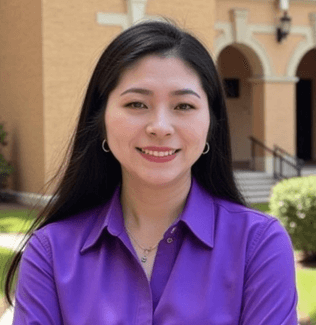
Ying “Caroline” Chen, Assistant Professor of Accounting at the Greehey School of Business, focuses her research on corporate governance, financial transparency, forensic accounting and hospitality finance.
Her scholarship examines how ownership structures and board composition shape financial reporting quality, how crises such as the 2008 Financial Crisis and the COVID-19 pandemic affect hotel firm valuations and how innovative tools like Benford’s Law can detect earnings manipulation. Chen’s work stands at the intersection of accounting, economics and data analytics, offering both theoretical insights and practical tools for regulators, auditors and financial analysts.
Chen’s contributions have been widely recognized. She is the 2023–2024 recipient of the 1923 Commemorative Award for Outstanding Research and has published seven peer-reviewed articles in competitive accounting and economics journals. Her research not only informs policy and governance frameworks but also enriches the classroom, where she integrates real fraud cases and forensic techniques to enhance student learning.
Looking ahead, her projects will explore the links between blockholder ownership and stock price crash risk, as well as comparative crisis analysis. Through her work, Chen addresses a critical need for accountability and transparency in global financial markets.
Notable Achievements
- Research Excellence
- 2023–2024 recipient of the 1923 Commemorative Award for Outstanding Research from the Greehey School of Business.
- Scholarly Productivity
- Seven peer-reviewed publications in highly selective ABDC-B journals (2021–2025), with acceptance rates as low as 15%.
- Grant Support
- Awarded a $5,000 Faculty Research Grant from St. Mary’s University Internal Research Program.
Notable Achievements
Selected Publications
- Chen, Y., Capener, D. and Valenzuela, E. (2023). “Valuation Effects of Earnings Management on Hotel Firm Value.” American Journal of Economics and Sociology, 82(3), 167-185. Generated new evidence on how managerial reporting decisions impact market valuations in the hospitality sector.
- Valenzuela, E. and Chen, Y. (2023). “The Impact of Director Blockholders on Abnormal Accruals and Inventory.” Journal of Corporate Accounting & Finance, 34(4), 193-207. – Provides empirical evidence informing governance practices and regulatory frameworks.
- Chen, Y., Valenzuela, E. and Capener, D. (2024). “How Hotel Firm Value Fluctuates with Alternative Leveraging Strategies.” American Journal of Economics and Sociology, 83(1), 177-197. Unites accounting valuations with economic signaling theory in hospitality finance.
- Chen, Y. and Capener, D. (2025). “When Economic Prowess Is a Liability—Unpredictable Black Swan Events Such as the Financial Crisis and COVID‐19 Pandemic Disrupt Hotel Value Dynamics.” American Journal of Economics and Sociology, 84(3), 521-534. Integrates accounting methods with crisis management theory.
- Valenzuela, E. and Chen, Y. (2025). “Analyzing the Impact of Director Blockholders Using Benford’s Law.” Global Journal of Accounting and Finance, 9(1), 1-19. Offers practical fraud detection tools for auditors and financial analysts.
Selected Publications
Jennifer Harr, Ph.D.
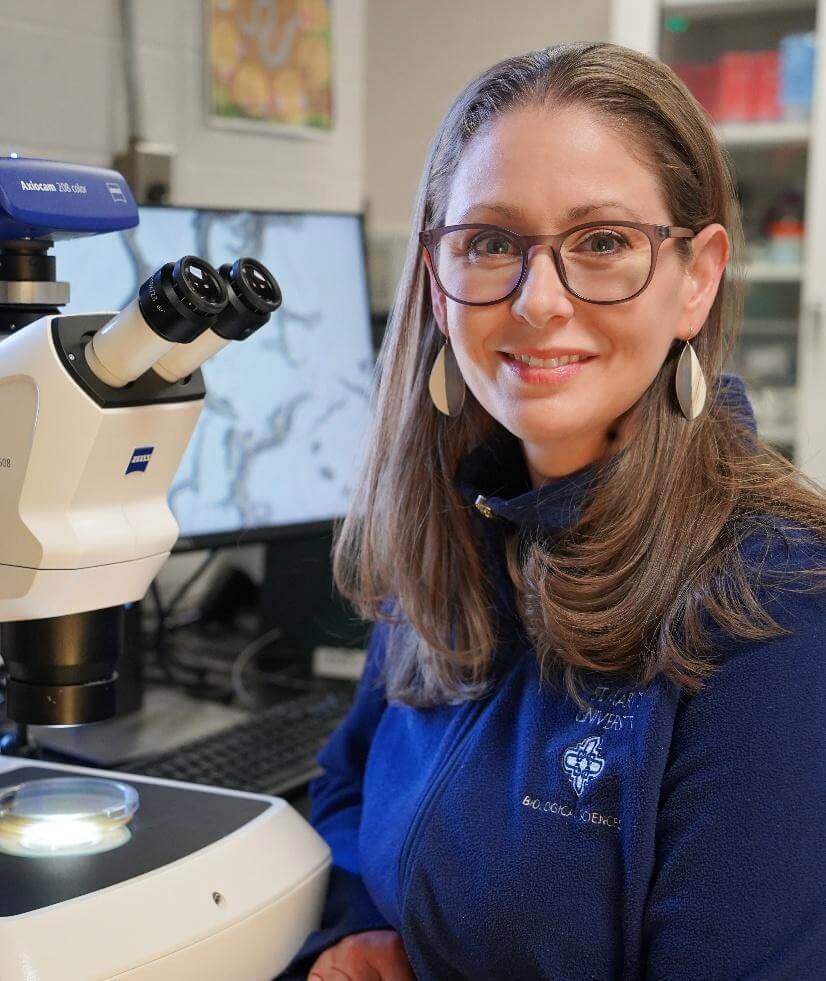
Harr is an Associate Professor in the Department of Biological Sciences and serves as the Director of the School of Science, Engineering and Technology Forensic Science Program. Her interdisciplinary research explores the mechanisms underlying cell-type specificity and the processes that maintain it. The Harr laboratory investigates how external factors, such as environmental contaminants, influence cellular and organismal homeostasis. A primary focus of her research is examining how microplastics, in combination with environmental pollutants, affect genome stability and overall organismal physiology and behavior.
Harr is dedicated to using her research to provide undergraduate students with training opportunities in scientific inquiry. Her lab supports independent research opportunities for students across departments, including Biological Sciences, Forensic Science, Biology and Chemistry, Environmental Science and Chemistry and Biochemistry. She collaborates closely with each student to customize their laboratory experience, mentor their academic and research goals and broaden their perspectives on scientific possibilities. Many of her mentees, nearly 30 undergraduate students, have advanced into biomedical graduate programs or entered the workforce directly.
Harr and her students have presented their work at local and international conferences, including the Genetics Society of America’s International Worm Meeting, American Society for Microbiology’s Conference for Multidisciplinary Science (ABRCMS) and the American Chemical Society annual meeting. The group’s first publication, titled “Microplastic-Mediated Delivery of Di-butyl Phthalate Alters C. elegans Lifespan and Reproductive Fidelity,” was posted as a pre-print on Research Square in May 2025 and subsequently peer-reviewed and published in the journal Microplastics on December 1, 2025.
Sara Ronis, Ph.D.
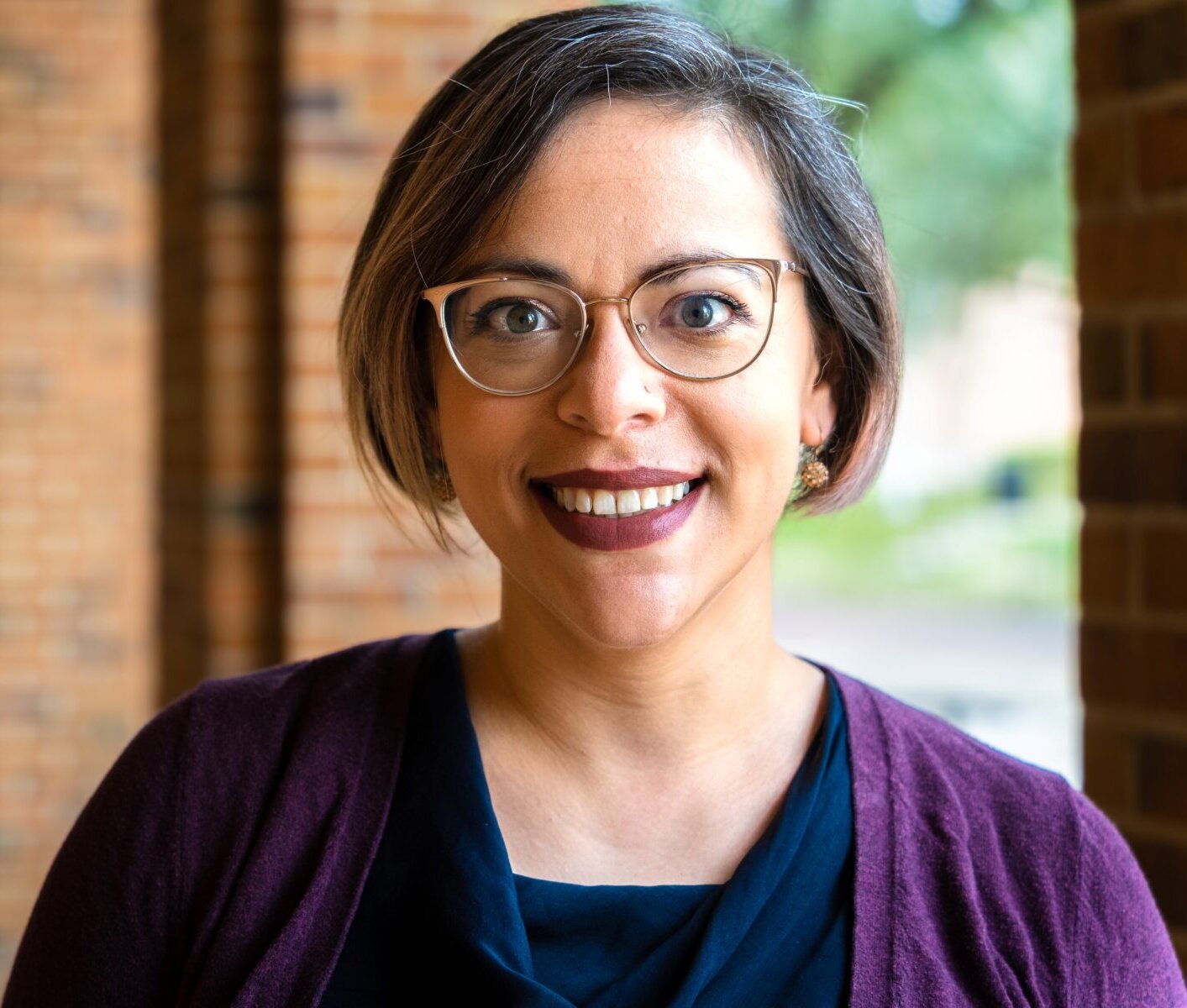
Sara Ronis, Associate Professor and Chair of the Theology department, researches the diversity of religious life of the second through seventh centuries in what is today Iraq, with a focus on ancient Jewish communities. In a world that continues to be shaped by complex interactions between different communities, her work sheds light on potential pathways for interreligious engagement that maintain religious difference and the integrity of religious communities.
Her first book, Demons in the Details: Rabbinic Law and Demonic Discourse in Late Antique Babylonia, explored how ancient Jews imagined, feared and controlled demons, within the rich cultural matrix of Sasanian Babylonia, putting rabbinic thinking in conversation with Sumerian, Akkadian, Ugaritic, Syriac Christian, Zoroastrian and Second Temple Jewish texts about demons. The book won the 2023 Canadian Jewish Literature Award in Jewish Thought and Culture and was shortlisted for the 2022 American Academy of Religion Award for Excellence in the Study of Religion in Textual Studies.
Her forthcoming book, Fetal Positions: The Talmudic Construction of Personhood, examines how one particular late antique religious community – the Babylonian rabbis – explored not whether the fetus is considered a person, but more crucially, what kind(s) of person it is. Ronis explores the criminal, civil, ritual and anthropological implications of their answers and offers new insights into debates about fetal personhood in the ancient world and our own.
Ronis regularly presents academic papers at the American Academy of Religion, the Society of Biblical Literature and the Association for Jewish Studies.
Mohamed Shaat, Ph.D.
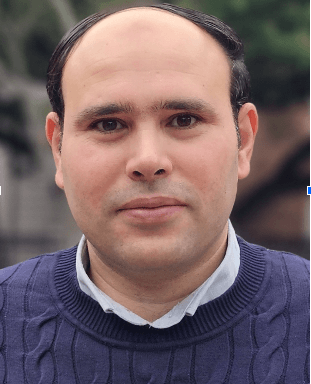
Mohamed Shaat, an Assistant Professor of Mechanical Engineering, leads interdisciplinary research at the intersection of multiscale mechanics, non-Hermitian physics, materials engineering and data-driven computational design to address fundamental scientific questions and challenges in emerging technologies. His work converges toward engineering resilient, adaptive and energy-efficient material systems with applications in advanced manufacturing, energy storage and automotive systems.
Shaat’s research program is organized around three primary themes:
- Autonomous Active Materials and Non-Hermitian Mechanics — He develops theoretical and computational frameworks that merge mechanics and physics to design active metamaterials, scalable topological mechanical systems and non-Hermitian elastic continua. His research advances mechanical analogs of quantum systems and aims to realize synthetic materials capable of self-adaptive and autonomous mechanical behavior.
- AI-Assisted Optimization of Electrochemical Energy Systems — Shaat integrates multiphysics thermodynamics with deep transfer learning and multi-objective design optimization to address mechanical instability in all-solid-state batteries (ASSBs). His current work focuses on enabling freestanding, high-energy-density battery architectures capable of operating without external stack pressure – advancing safer and more efficient energy storage technologies.
- Microfluidic Systems for Advanced Additive Manufacturing — He integrates analytical and experimental multiscale mechanics with optimization techniques to develop innovative microfluidic systems for frictionless filament extrusion in additive manufacturing. This work enables more reliable, energy-efficient 3D printing across a wide range of materials.
Shaat has presented his research in 66 journal articles, three book chapters, six conference articles and 10 presentations. His work has appeared in leading journals such as the International Journal of Mechanical Sciences and the Journal of the Mechanics and Physics of Solids. He has been recognized by Stanford University as among the world’s top 2% of scientists in Mechanical Engineering.
Through innovative interdisciplinary and collaborative research, Shaat is advancing the frontiers of autonomous materials, intelligent energy systems and next-generation manufacturing, contributing to technologies aligned with national research priorities.
Terry Shackleford, Ph.D.
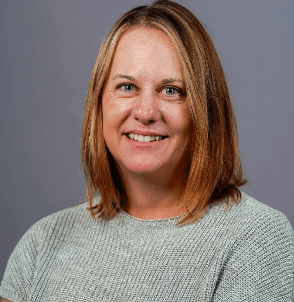
Terry Shackleford, Associate Professor of Biology at St. Mary’s University, is dedicated to engaging students in meaningful scientific discovery through teaching, mentoring and research. In her laboratory, undergraduate students participate in authentic research on resistance to targeted cancer therapies in pediatric sarcoma models.
They gain hands-on experience with techniques such as siRNA gene knockdown, qRT-PCR, Western blotting and live-cell imaging, while developing skills in experimental design, data analysis, troubleshooting and scientific communication. Shackleford strongly emphasizes showcasing student work, regularly supporting presentations at the St. Mary’s Research Symposium and national conferences, including ASBMB and AACR. Many of her students have sustained long-term research involvement through programs such as U-RISE and Biaggini funding, demonstrating the impact of institutional support on student success.
Her commitment to integrating research and teaching extends into the classroom, where course-based laboratory projects allow a broader group of students to engage in authentic research experiences. Student work is shared through platforms such as the Blume Library Digital Commons and the St. Mary’s Research Scholars website, highlighting their creativity and analytical skills. In addition to her work in cancer biology, Shackleford collaborates on interdisciplinary research, including a 2026 publication on urban bird behavior co-authored with Lori Boies and an undergraduate student, which received national media attention. She also secured a federal S10 equipment grant of approximately $240,000 to acquire an Incucyte live-cell imaging system, significantly expanding research and training opportunities for students and faculty across the department.
Beyond research and teaching, Shackleford plays a vital leadership role in supporting student development and academic excellence. She has contributed to major training initiatives such as U-RISE and IRACDA and currently serves as Chair of the Health Professions Advisory
Committee, mentoring students pursuing careers in healthcare. She also leads the Institutional Animal Care and Use Committee, ensuring ethical research practices and serves as Secretary of the National Institute on Scientific Teaching. Guided by the Marianist educational mission, she integrates interdisciplinary and ethical perspectives into her teaching. Through her dedication, Shackleford fosters a culture of curiosity, resilience and achievement, preparing students for success in graduate education, medical school and scientific careers.
Solomon Wang, Ph.D.
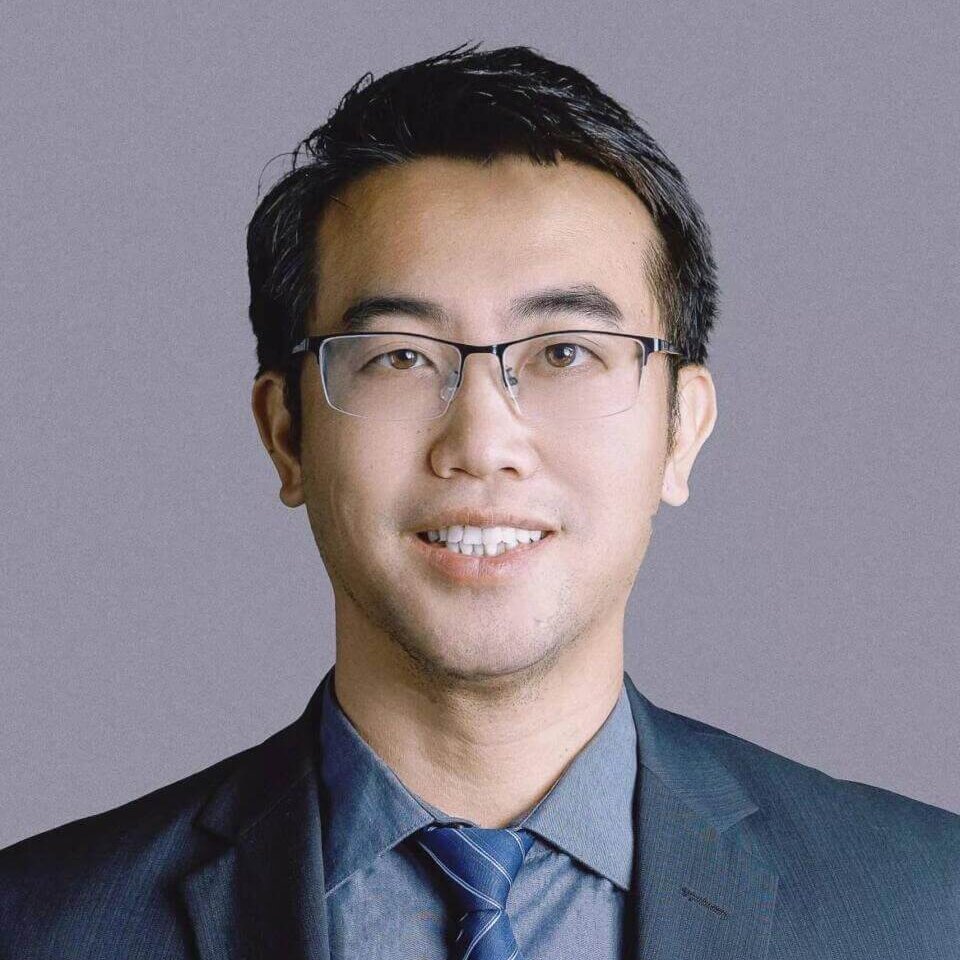
During his first year at St Mary’s University, Wang published 5 A-Journal papers per AACSB standard. His strength in research relies on active attention to industrial development and the needs of society. As shown in his record, his most recent papers are in the areas of financial technology and corporate social behaviors (ESG, CSR, Green finance, etc.), which have drawn a great deal of social attention in the past decade.
He also conducts research to promote the financial health and financial literacy of American households. This pipeline is consistent with the Marianist mission in education and community well-being. As a certified fraud examiner, he also studies topics aimed at deterring insider trading and financial fraud. This line of research aligns with the Marianist mission of justice and ethical stewardship, reinforcing the importance of integrity and transparency in financial markets.
Beyond his current research, he engages in collaborative projects with students. In Fall 2024, he met four GSB students to explore potential research opportunities. The areas covered include the Pandemic and Household Financial Stress, High-Interest Loans of Military Borrowers and Mergers and Acquisitions in the Fintech Industry.
Among them, the research titled “Mobile Payment and Pawn Loans” will be presented by his student, Abdullah Mohammad, at the University Research Expo in Spring 2025. In another collaboration, a GSB student named Max Masabo was awarded the University Student Summer Research Grant 2025. Their joint project is titled “Fintech Apps and American Household Distress.”
Publications at St Mary’s
- “Value-added Tax and Corporate Cash Holding: Evidence from a Quasi-natural Experiment” with Chen Ling. (2025) Accounting and Finance (A Journal, Corresponding Author).
- “Geographical Proximity and Information Advantage, Evidence from the Chinese SEO Market” with Yujia Wang, Congyi Ju, Qingbin Meng.International Review of Finance (2025) (A journal).
- “ESG Performance and Seasoned Equity Offering: Evidence from China” with Xuan Song, Yujia Wang. International Review of Financial Analysis (2025) (A Journal).
- “Machine Learning and Corporate Financial Distress” with Qingbin Meng, Xinxing Zheng, Pacific Basin Finance Journal (2024) (A Journal, Corresponding Author).
- “How Could Digitization Detect and Prevent Corporate Fraud” with Zhan Xu, Juncheng Ye. International Review of Financial Analysis (2024) (A Journal, Corresponding Author).