
Degree
- Master of Arts https://www.stmarytx.edu/academics/programs/master-counseling/ https://www.stmarytx.edu/wp-content/uploads/2020/12/asia-robinson-counseling.jpg
Format
- In-Person
Program Director
Deliver Care that Connects
Many communities across the United States face a shortage of mental health professionals. You can help fill this critical need with a Master of Arts (M.A.) in Clinical Mental Health Counseling from St. Mary’s University.
In this hands-on program, offered in-person at our San Antonio campus, you’ll learn to become a counselor able to integrate justice, peace and human dignity into your practice — Marianist values that inform each of the programs at St. Mary’s.
Request More Information
Fill out the form below, and we will follow up with you.
Why Earn Your Clinical Mental Health Counseling Master’s at St. Mary’s?
Counseling creates lasting change in people’s lives. At St. Mary’s, you will gain the skills to serve diverse populations in South Texas and the nation, helping others find peace and wellness. While here, you’ll be exposed to traditional classroom teaching methods, role play and clinical experiences, as well as extensive clinical experience.
While your coursework and clinical experiences will help you shape a personal approach to counseling, you will also get personal guidance from the skilled faculty in the M.A. program, who have decades of cumulative experience working across the lifespan.
The M.A. in Clinical Mental Health Counseling from St. Mary’s features:
CACREP Accreditation
St. Mary’s CMHC M.A. program is accredited by the Council for Accreditation of Counseling and Related Educational Programs (CACREP), a designation awarded to programs that meet instructional standards and are professionally and financially secure.
Clinical Experience
Counseling demands practice. You’ll gain 700 hours of clinical experience through the M.A. program, working in a range of settings. You’ll work closely with skilled supervisors while also engaging directly with clients.
Family Life Center
Student counselors work with University faculty to provide services to the San Antonio community at the Family Life Center. This on-campus facility helps clients with limited resources access services such as grief counseling, couples counseling and play therapy while providing students with much-needed experience.
Program of Study
The M.A. in Clinical Mental Health Counseling can be completed on a full- or part-time basis. The program, comprising 60 credit hours, includes both counseling and elective courses. Core coursework covers topics including group counseling, abnormal behavior and crisis counseling, substance use and addiction, couples and family counseling, ethics, and human growth and development, among others.
Program graduates must pass a comprehensive written exam.
Degree Plans
This program uses traditional classroom teaching methods, role-play and clinical experiences, online and written assignments and testing as some of the methods of instruction. Students are required to practice counseling at the Family Life Center, a department-run clinic and in community settings.
Course Highlights
Highlighted Elective Courses:
- Advanced Couples Counseling
- Child Development and Play Therapy
- Hope, Resilience and Human Transcendence
- Trauma-Informed Counseling
We’re eager to tell you more. Contact the Office of Graduate Admission at graduate@stmarytx.edu or 210-436-3126 for additional information.
Clinical Experiential Learning Opportunities
Every student in the M.A. program completes 700 hours of clinical experience: 100 through a counseling practicum, and two internships with at least 300 hours each.
You’ll bring classroom learning to life through clinical placements at our on-campus Family Life Center and in hospitals, clinics and other community settings. Working with clients of diverse ages, cultural backgrounds and lived experiences, you’ll apply professional counseling techniques while developing the interpersonal skills to build rapport and adapt your approach to meet each client’s needs.
As you work with clients of different ages, cultural backgrounds and lived experiences, you’ll not only learn how to apply professional techniques in the field but also develop the interpersonal skills necessary to relate to clients and adapt your practice to their needs in the moment.
Program Expectations
Prior to graduation, students will be able to:
- Apply counseling theories and ethical practices in clinical settings.
- Conduct client assessment, treatment planning and interventions.
- Practice culturally responsive counseling and advocacy.
- Collaborate with mental health professionals to support client well-being.
View Program Expectations
Program Objectives
Objective 1: Professional Identity
A successive understanding of the professional counselors’ integrated roles related to the management and oversight of ethically sound clinical services in a variety of community contexts and clinical settings.
- Over the course of the program, students are measured through the completion of the following: creating and responding to clinical vignettes, presenting and responding to cases in clinical courses, developing a crisis intervention video plan presentation, responding to ethical dilemmas and collaborating with others in the department and in the community during clinical courses and for course projects.
Objective 2: Counseling, Prevention and Intervention
Knowledge and practices regarding a systematic approach to creating and maintaining collaborative service plans and advocacy needs in response to diverse community, wellness and mental health issues and crises.
- Over the course of the program students are measured through completion of the following: developing wellness plans; developing crisis assessment and treatment plans (to include considerations for addiction, co-occurring mental health issues, etc.;) completing a community and social justice project; developing a genogram; writing a paper outlining their development over the lifespan in relation to family, peers, community and other sociocultural contexts; and writing a mental health status exam paper on the protagonist in the movie that depicts a crisis.
Objective 3: Diversity and Advocacy
Understanding of the ways in which privilege and oppression operate in relational and socio-political cultural contexts and impact therapeutic relationships, theoretical modalities, community resources (or a lack of) and advocacy needs.
- Over the course of the program, students are measured through the completion of the following: making a class presentation on human development through a sociocultural lens, participating in an immersion project designed to broaden sociocultural perspectives, creating a “power line” designed to examine identity markers that indicate sources of privilege or oppression in their lives, writing reflection papers on social status and completing the sociocultural portion of the Clinical Case Conceptualization Position Paper.
Objective 4: Assessment
Ability to create and obtain culturally sensitive and competent case conceptualizations and biosocial and mental health histories and to utilize and interpret assessments in ways that insure treatment interventions (including referrals, counseling and psychotropic medication considerations) are consistent with clients’ respective developmental contexts.
- Over the course of the program, students are measured through the use of the following: presenting cases in their clinical courses; performing a client autopsy based on the creation of a client crisis, preparing a comprehensive treatment plan and resolution; researching the levels of bias and practicality of assessment tools, consulting with a psychiatrist in clinical courses, creating biosocial histories for the clients they see in the Counselor Education and Family Life Center and writing a mental health status exam paper on the protagonist in a movie that depicts a crisis.
Objective 5: Research and Evaluation
Use of research techniques including: identifying and applying cutting edge, outcomes-based treatment modalities relevant to their clinical practice and evaluating the effectiveness of counseling interventions and programs.
- Over the course of the program, students are measured through completion of the following: writing a literature review, creating a community counseling project that includes program evaluation and researching evidence-based treatments in evaluating counseling outcomes.
Objective 6: Diagnosis
Understanding and working knowledge of mental health diagnoses, diagnostic criteria and diagnostic tools and their relevance in relation to clients’ health, psychosocial stressors and crises and how to collaborate with other mental health professionals in the interest of clients in a variety of contexts and circumstances.
- Over the course of the program, students are measured through completion of the following: writing a paper on a clinical diagnosis, creating a role-play video during which they conduct a mental health status exam and writing a mental health status exam paper on the protagonist in a movie that depicts a crisis.
View Program Objectives
Become a Licensed Professional Counselor (LPC)
St. Mary’s prepares students to become licensed professional counselors who help clients navigate a wide range of personal, social and mental health challenges, including:
- Diagnosable mental health disorders, such as anxiety and depression
- Career challenges, including unemployment and underemployment
- Interpersonal issues, like marriage preparation, separation or divorce
- Life-span developmental concerns, such as identity development, aging and grief and loss
- Social issues, such as family and community violence
Just as you’ll provide one-on-one care to clients, we’ll devote the same attention to you. We’ll teach you how to practice with empathy and compassion, serving clients of all ages and from diverse cultural, economic, religious and family backgrounds.
Career Opportunities in Clinical Mental Health Counseling
There are 690 residents for every mental health provider in Texas, ranking the state 49th of all 50 U.S. states, according to Mental Health America. That intense need to fill the shortage of mental health practitioners means you’ll have an opportunity to make an immediate difference in the lives of children and adults, once you earn your Master’s from St. Mary’s.
That demand for counselors is clear nationwide, as the field is expected to grow 17% over the next decade, much faster than the average for all occupations.
As an LPC, you might work in places including:
- Colleges and universities
- Community organizations and nonprofit agencies
- Corporate Employee Assistance Programs (EAP)
- Government agencies
- Hospitals and medical centers
- K-12 schools
- Mental health clinics
- Military and veteran services
- Private practices
- Rehabilitation and substance-abuse treatment centers
- Residential treatment facilities
- Telehealth/online counseling platforms
Foundation for Doctoral Degree Programs
The M.A. in Clinical Mental Health Counseling also positions you well for advanced study. St. Mary’s offers a Doctor of Philosophy in Counselor Education and Supervision, opening doors to leadership opportunities and increased salary potential. This three-year Ph.D. program qualifies you to prepare counselor educators to work as advanced clinicians, educators, supervisors and researchers.
Admission
Candidates for the M.A. in Clinical Mental Health Counseling program can apply at any time. Admission is on a rolling basis, and entering students can begin classes in the fall, spring or summer. No GRE scores are required; applicants must have a bachelor’s degree from an accredited college or university.
To be considered for admission to the program, you must submit an application, a written statement of purpose, two letters of recommendation and official college transcripts.
International graduate applicants must demonstrate proof of English proficiency with these minimum scores in one of the following:
- Test of English as a Foreign Language (TOEFL) Internet-based Test (iBT)®: 80
- International English Language Testing System (IELTS): 6.0
- Duolingo English Test: 115+
Have questions? We’re here to help. Contact the Office of Graduate Admission at graduate@stmarytx.edu or 210-436-3126.
Scholarships and Financial Aid
While U.S. News & World Report considers St. Mary’s the #1 Best Value in the West, we know a graduate education can still feel out of reach. That’s why we provide scholarships, fellowships and other tuition assistance to bring a St. Mary’s education even closer. Contact the Office of Graduate Admission to learn about support that may help you.
In addition, the Office of Student Research and Inquiry (OSRI) provides support for fellowships, projects and travel related to research.
View Scholarships and Financial Aid
Transforming Aspirations Into Reality
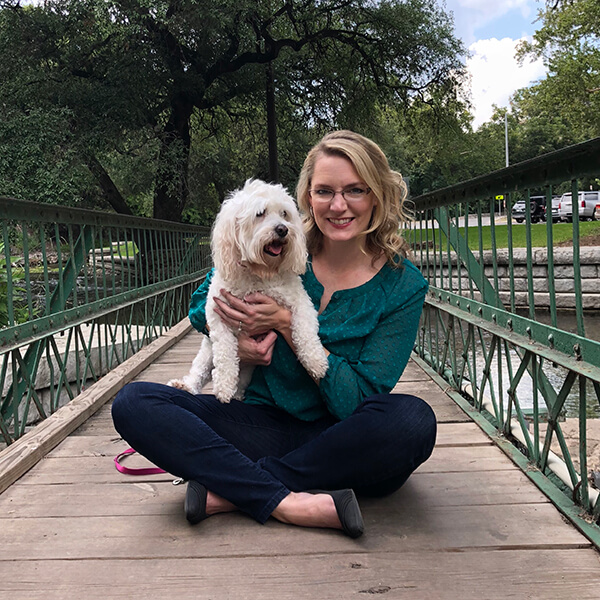
I’m in my dream job, and St. Mary’s helped make my dream a reality.”
Elizabeth Kjellstrand Hartwig (M.A. ’98, Ph.D. ’11)
Founder and Director of the Texas State University Animal-Assisted Counseling Academy

Start Your Care Journey at St. Mary’s
A Master of Arts in Clinical Mental Health Counseling from St. Mary’s won’t just enrich your life. It will also transform the lives of all the clients you’ll serve. Reach out to learn more about our hands-on program for this in-demand field.

Contact Us
To learn more about the Master of Arts in Clinical Mental Health Counseling at St. Mary’s University, contact the Office of Graduate Admission at graduate@stmarytx.edu or 210-436-3126.
Similar Programs to Clinical Mental Health Counseling
Doctor of Philosophy in Counselor Education and Supervision
- Doctorate https://www.stmarytx.edu/academics/programs/master-counseling/ https://www.stmarytx.edu/wp-content/uploads/2020/12/asia-robinson-counseling.jpg

Psychology
- Undergraduate Combined Degree https://www.stmarytx.edu/academics/programs/master-counseling/ https://www.stmarytx.edu/wp-content/uploads/2020/12/asia-robinson-counseling.jpg
- Minor https://www.stmarytx.edu/academics/programs/master-counseling/ https://www.stmarytx.edu/wp-content/uploads/2020/12/asia-robinson-counseling.jpg
- Bachelor of Arts https://www.stmarytx.edu/academics/programs/master-counseling/ https://www.stmarytx.edu/wp-content/uploads/2020/12/asia-robinson-counseling.jpg

Master of Science in Industrial/Organizational Psychology
- Master of Science https://www.stmarytx.edu/academics/programs/master-counseling/ https://www.stmarytx.edu/wp-content/uploads/2020/12/asia-robinson-counseling.jpg
Related Stories

Faculty
-
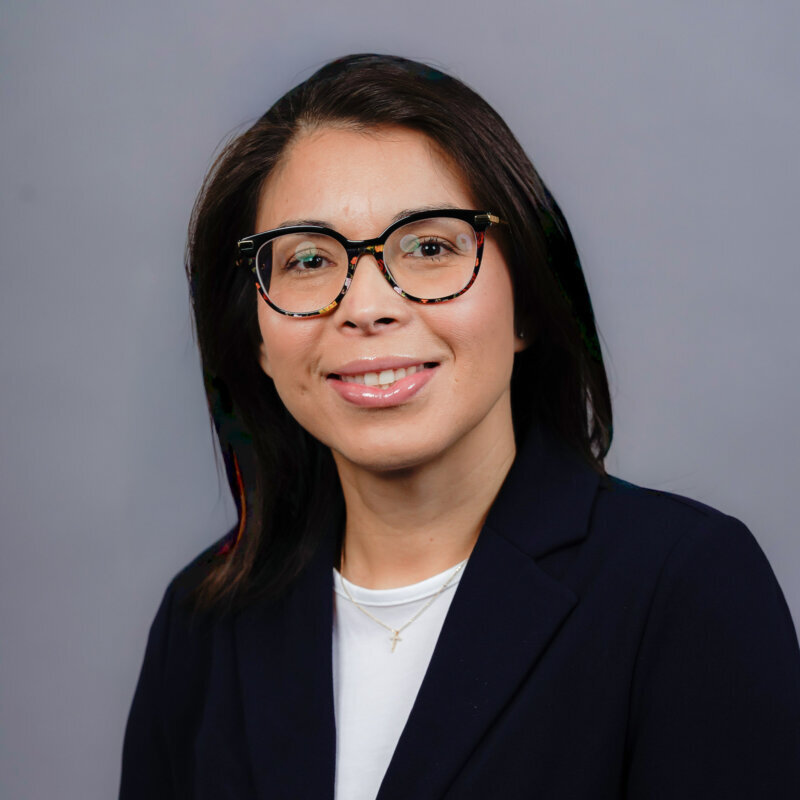 Priscilla Reyna-Vasquez, Ph.D. Program Director, Clinical Mental Health Counseling
 -
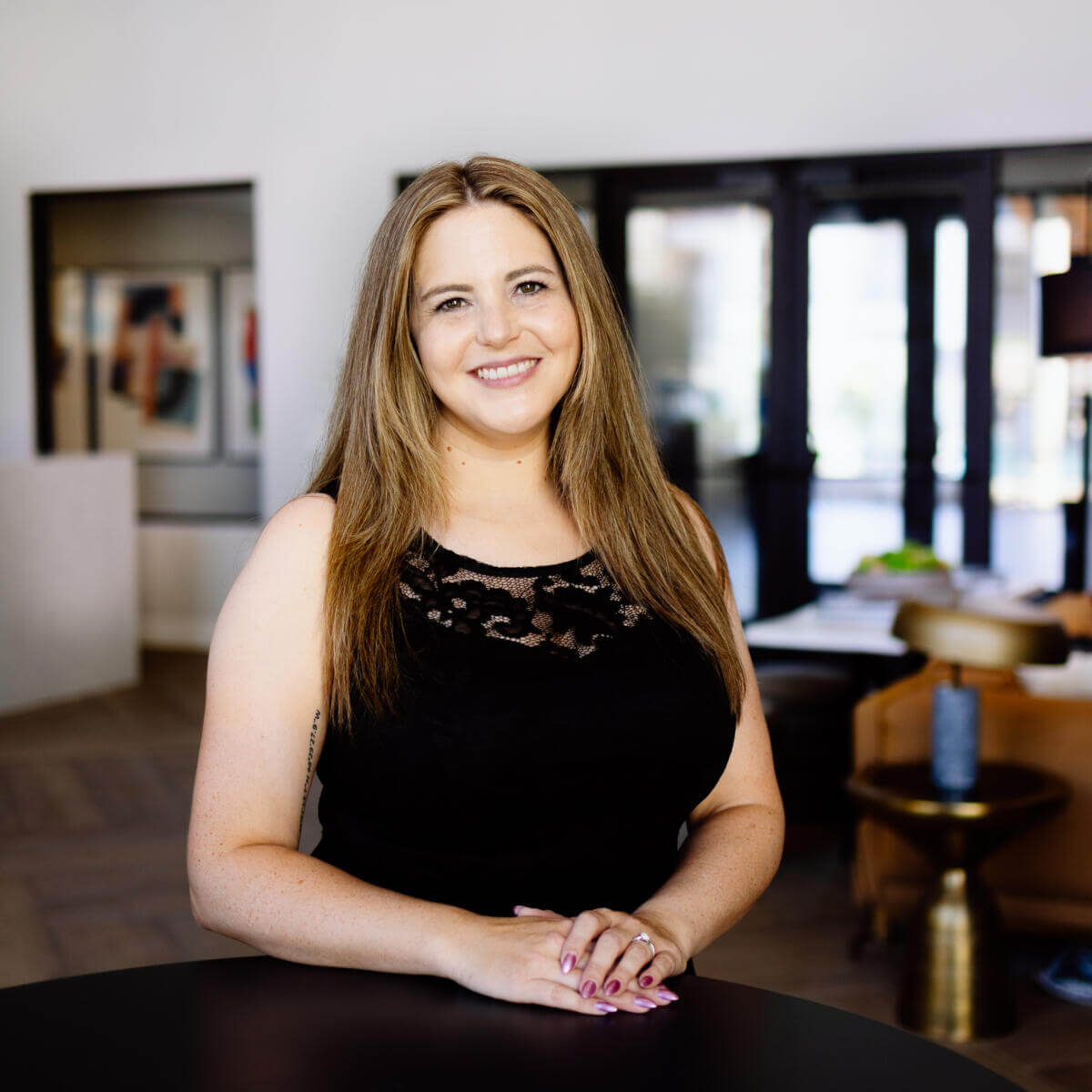 Shawna Corley, Ph.D. Assistant Professor of Counseling
 -
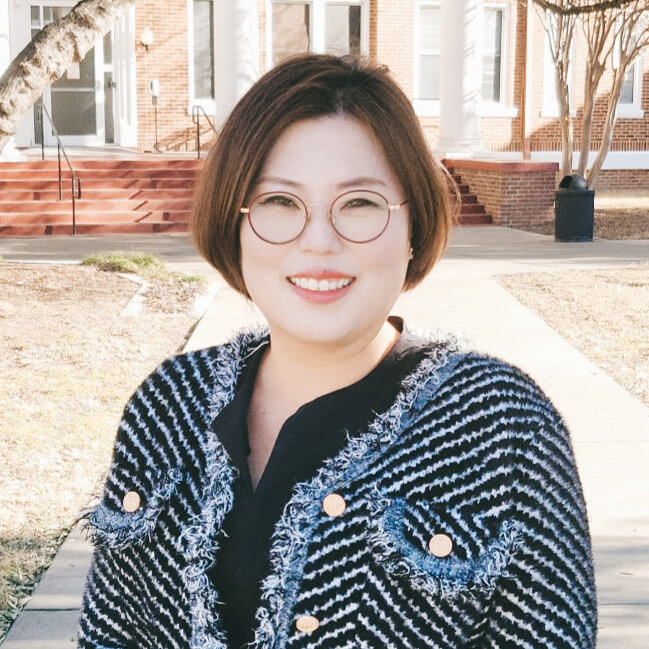 Sunkyung Chung, Ph.D Assistant Professor of Counseling
 -
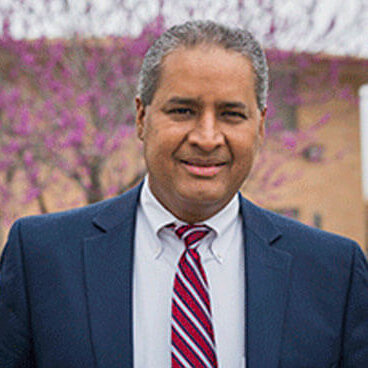 R. Esteban Montilla, Ph.D. Associate Professor of Counseling
 -
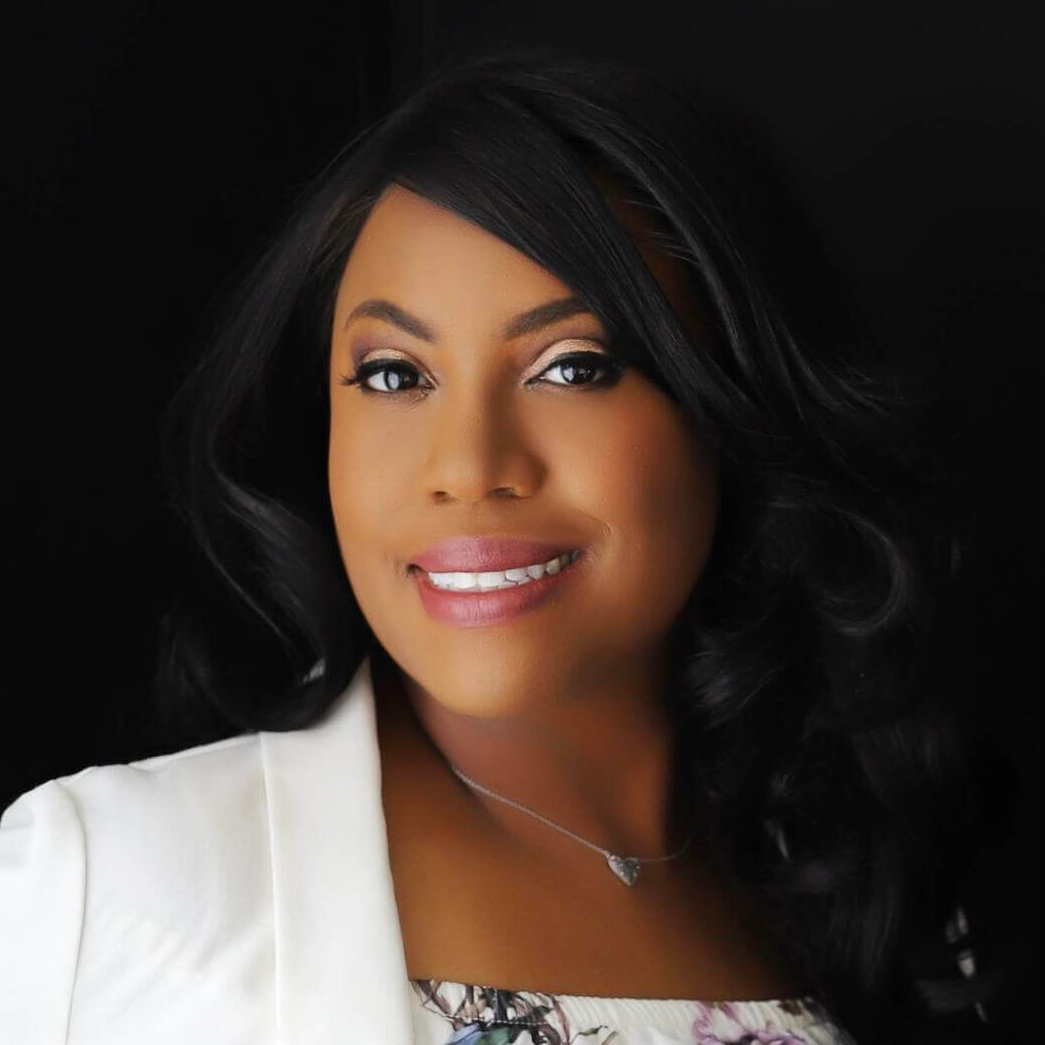 Crystal Morris, Ph.D., LPC-S, NCC, CSC Assistant Professor of Counseling
 -
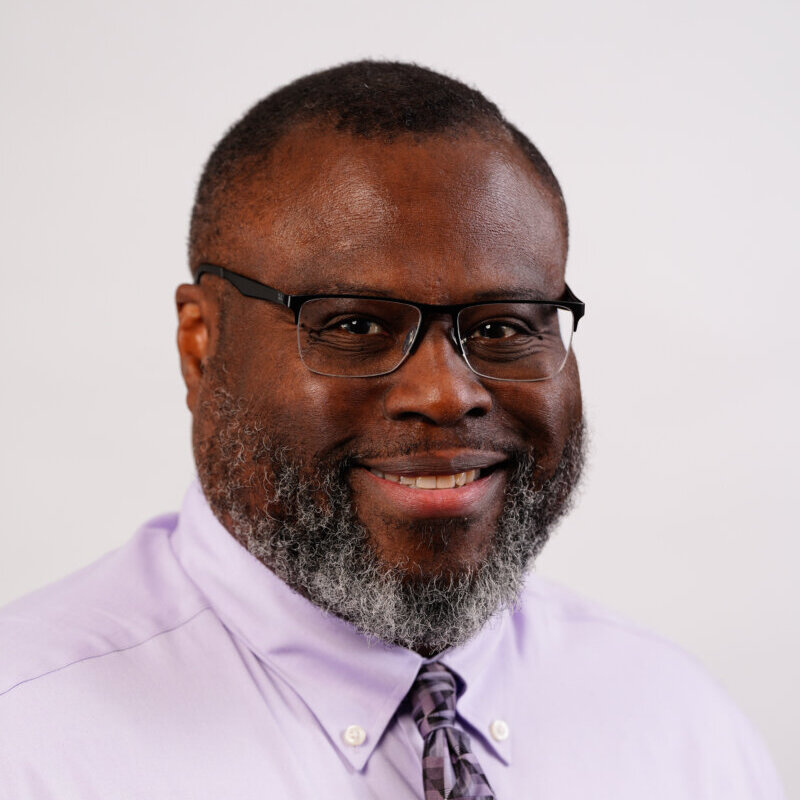 Shawn L. Spurgeon, Ph.D., LPC, NCC, ACS Program Director, Counselor Education and Supervision
 -
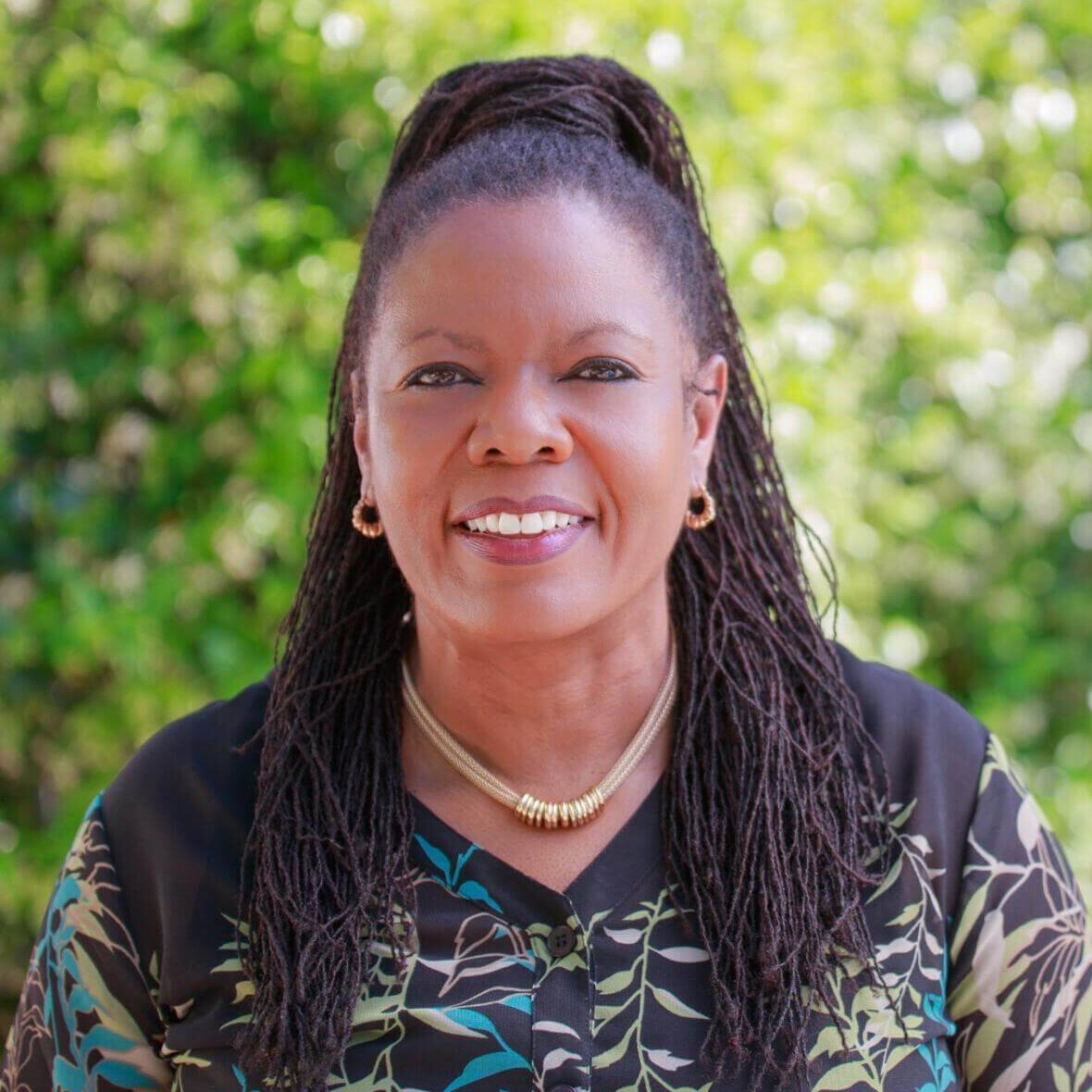 Carolyn Y. Tubbs, Ph.D. Vice Provost for Academic Affairs
 -
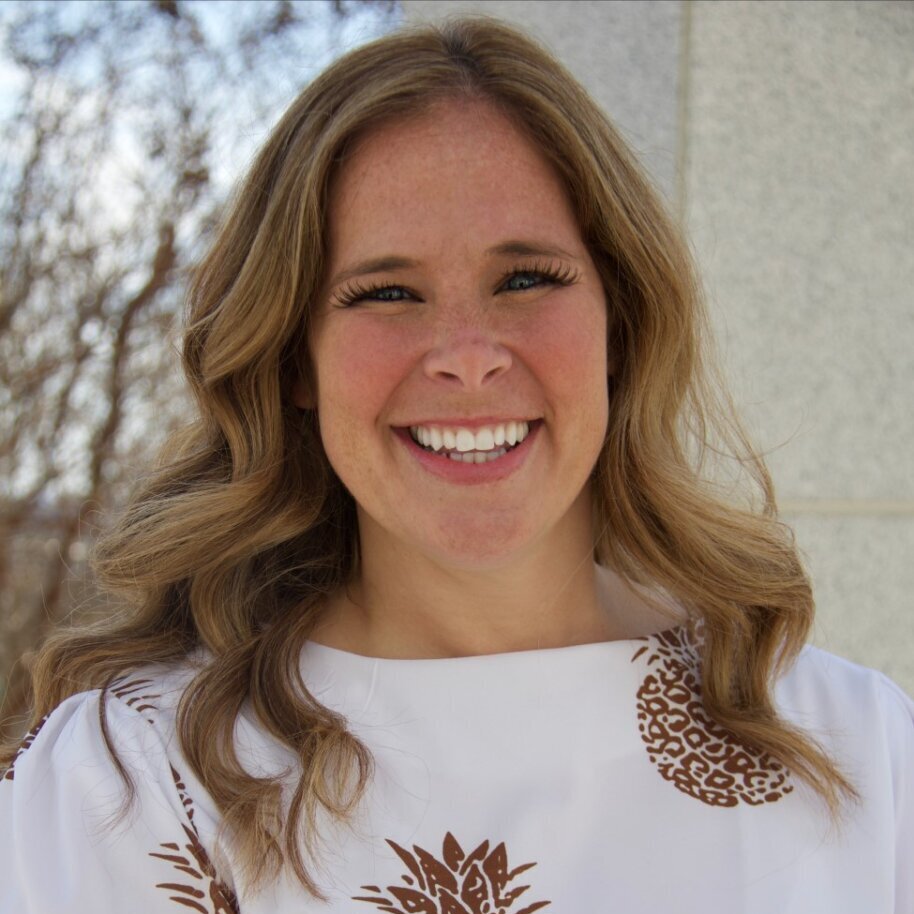 Mary K. Whiting, Ph.D Visiting Assistant Professor
 -
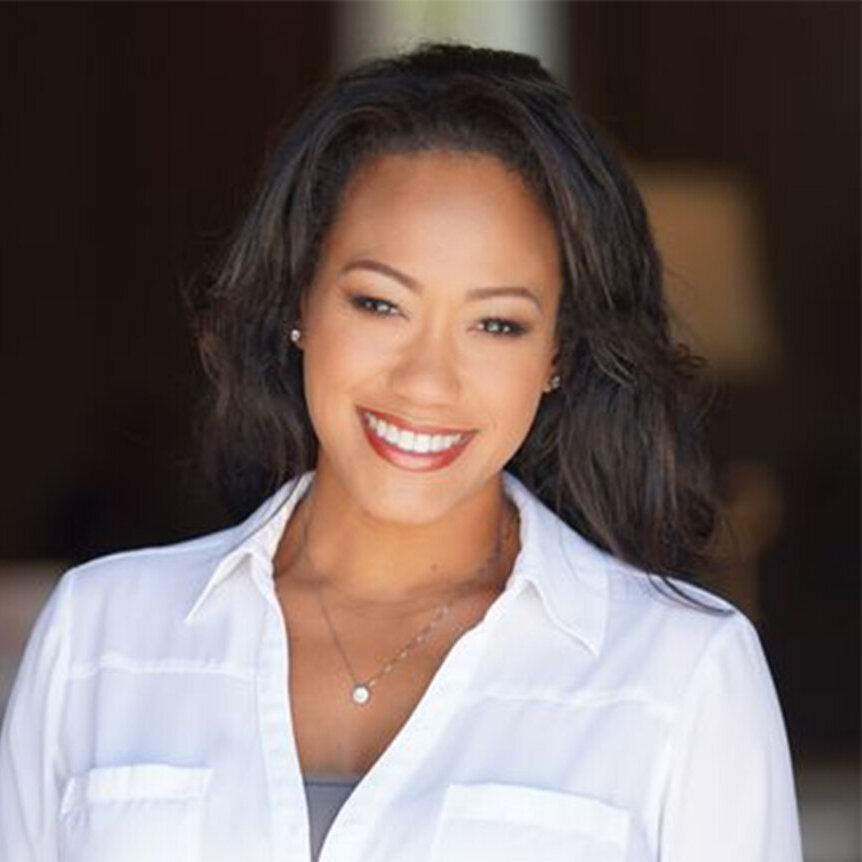 Tritia M. Finley, Ph.D. Visiting Assistant Professor
Learn More
We’re eager to hear from you and answer any questions you have! Feel free to reach out to learn more about St. Mary’s University.