

Education
- Ph.D. in History, University of Southern California
- M.A.in History, University of Southern California
- B.A. in History, California State University
- A.A. in History, Fullerton College
Biography
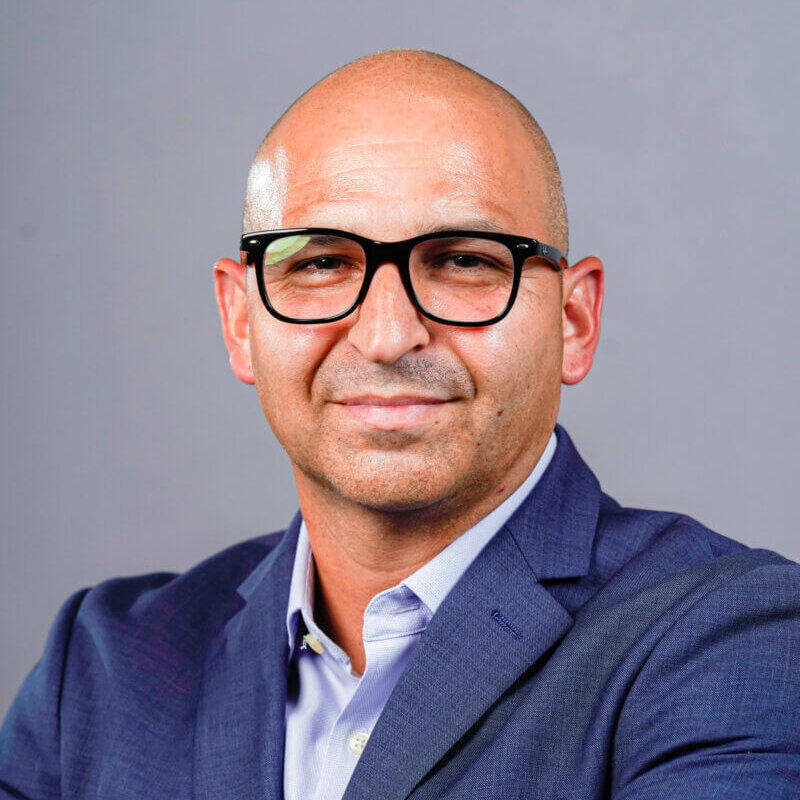
Jerry González joined St. Mary’s University in 2025 as the O’Connor Chair in the History of Hispanic Texas and the Southwest and the inaugural Director of the Center for Mexican American Studies at here at St. Mary’s.
He received his Associate of Arts in History from Fullerton College, his Bachelor of Arts in History from California State University, Fullerton and his Master of Arts and Ph.D. in History from the University of Southern California. From 2010 to 2025, he was a member of the History Department at the University of Texas in San Antonio and the Director of the UTSA Mexico Center. While at UTSA, he served as the Principal Investigator on the UTSA Humanities Pathways Grant funded by the Mellon Foundation and also as a Faculty Fellow in the Mellon-funded People’s Academy sponsored by the Democratizing Racial Justice Project in the Department of Race, Ethnicity, Gender and Sexuality Studies.
Prior to his tenure at UTSA, he spent 2009-2010 as a Chancellor’s Post-Doctoral Research Associate in the Latina/Latino Studies Department at the University of Illinois at Urbana-Champaign.
His research interests in Latine metropolitan history and identity, radical Mexican American social movements, migration and the U.S.-Mexico Borderlands inform the courses he teaches in history and Mexican American Studies. His first book, In Search of the Mexican Beverly Hills: Latino Suburbanization in Postwar Los Angeles, was published in 2018 by Rutgers University Press in the Series “Latinidad: Transnational Cultures in the United States. It contributes to an emergent conversation about the inherent diversity of suburban America and the historiographical and historical reassessment of suburban places.
His new book project, titled Remembering San Jacinto: Mario Cantú and Global Chicano Radicalisms in the Twentieth Century. The work centers on Mario Cantú, a restaurateur, activist, ex-incarcerated, who embodied the transition in San Antonio and south Texas from the cultural nationalist inspired actions of the Chicano Movement to a more capacious vision of sin fronteras that centered the struggles of undocumented peoples.
Research Interest
- Latine metropolitan history and identity
- Radical Mexican American social movements and migration
- U.S.-Mexico Borderlands
Publications
Remembering San Jacinto: Mario Cantú and Global Chicano Radicalisms in the Twentieth Century, forthcoming.
In Search of the Mexican Beverly Hills: Latino Suburbanization in Postwar Los Angeles, 2018, Rutgers University Press.