
Scientist in training
by Nathaniel Miller
In the southern countries of Africa lives a species so successful at hunting, it’s often called one of the world’s deadliest creatures.
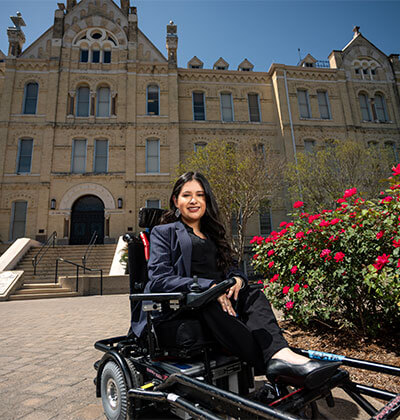
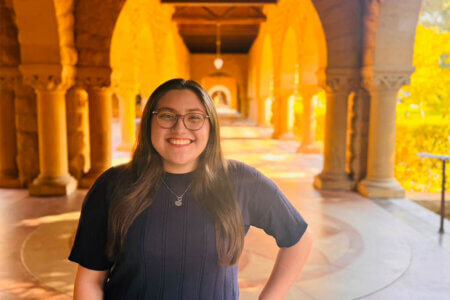
So naturally, St. Mary’s University Biology student Rubi Mendez is going to help study it.
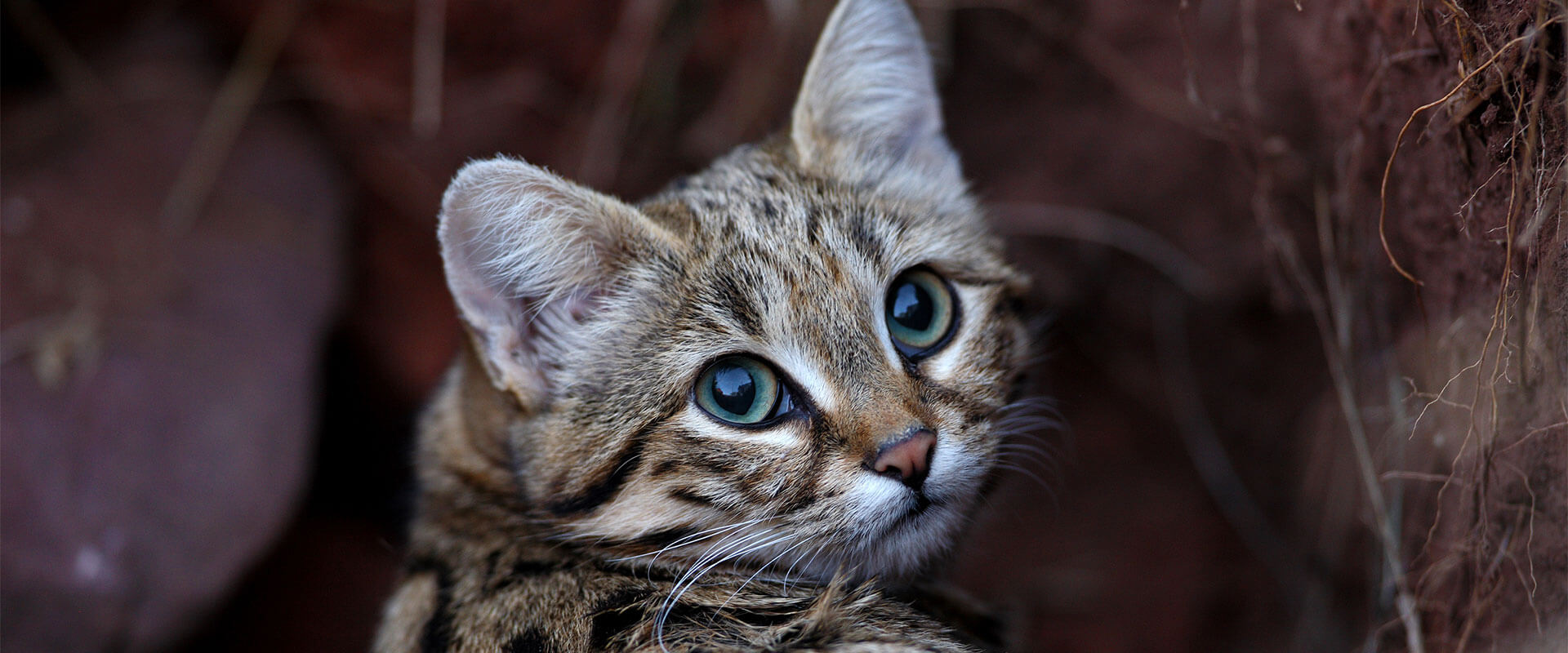
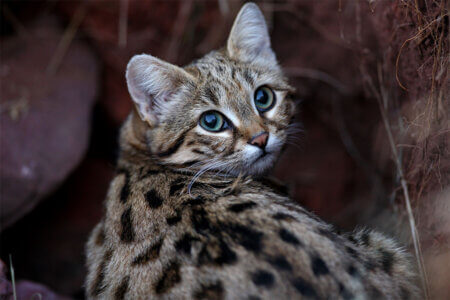
The animal, the black-footed cat, can be easily miscategorized. No larger than a house cat, the cute — and deceivingly cuddly — animal boasts a 60% kill rate when hunting.
Lucky for Mendez, she won’t be handling black-footed cats directly. Instead, she’s in a lab at Stanford University, isolating and studying degraded DNA from fecal samples sent to the lab to identify the list of species the cat consumes.
DNA degradation is a process by which DNA breaks down into smaller fragments. Studying the DNA of consumed prey is important because the nocturnal animal’s conservation status is vulnerable, putting it at high risk of becoming extinct in the wild.
Studying what it eats will help researchers learn more about its habitat.
“It’ll let us look into the species to see what they’re eating, how the population fluctuates, and overall, aid in the conservation,” she said.
As one of 176 undergraduates selected nationally for the Summer Undergraduate Research Experience offered by the Howard Hughes Medical Institute, or HHMI, Mendez is working alongside Molly Schumer, Ph.D., at Stanford University.
The research program gives undergraduate students the opportunity to conduct hands-on research with scientists at HHMI laboratories across the United States. Students will go to Ashburn, Virgina, at the end of the summer to share their findings with fellow students.
“I was looking forward to being in a lab space from 9 to 5 because that’s what graduate school will be like,” Mendez said. “I love doing research during the semester at St. Mary’s.”
The San Antonio native got her first taste of lab experience working as a research student with Associate Professor of Biological Sciences Jesus Segovia, Ph.D. In Fall 2026, she’ll be back in a research lab with Assistant Professor of Biological Sciences Ruben Tovar, Ph.D., helping him with his research on eye tissue development in sighted and blind salamanders.
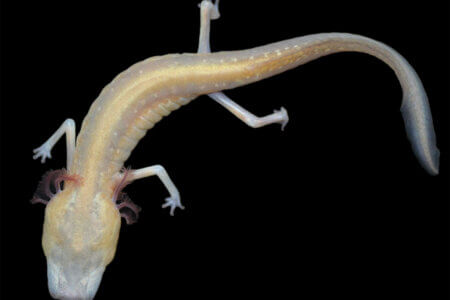
Having first taken Tovar’s Cellular and Molecular Methods class, Mendez asked to continue the work she was doing on the salamanders. Now, she’s working on co-authoring a paper and has presented her findings at the Texas Conservation Symposium.
Tovar also encouraged Mendez to apply for a grant with Sigma Xi, a nonprofit honor society for scientists and engineers, for which she was awarded $2,432.
“If your goal is to be competitive for a Ph.D. program, there are things that will tell people you mean business,” Tovar said. “A part of that is building your CV, your academic résumé, and it looks great to have these items on it.”
Without access to labs or professors who encourage her, Mendez said her goal to become a research scientist would be more difficult to pursue.
“St. Mary’s likes to get students started as early as possible,” she said. “Being able to know these processes has been beneficial.”